Deprecated function: The each() function is deprecated. This message will be suppressed on further calls in menu_set_active_trail() (line 2405 of /var/www/varanasichemical.com/includes/menu.inc).
Deprecated function: implode(): Passing glue string after array is deprecated. Swap the parameters in drupal_get_feeds() (line 394 of /var/www/varanasichemical.com/includes/common.inc).
Pure Calcium oxide use in the rubber industry. Calcium OXIDE is use as a desiccant in rubber compounds
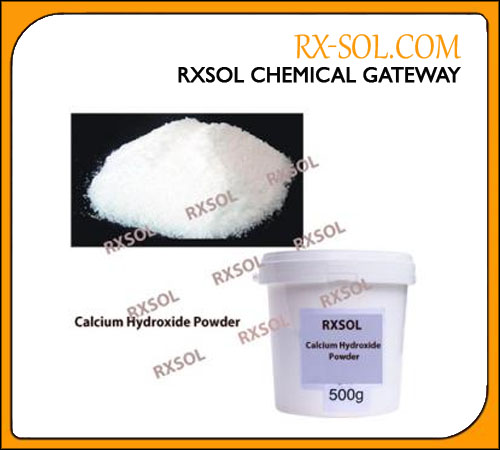
Calcium Oxide (CaO) for use as a desiccant in rubber compounds which are cured on micro-wave systems, LCM or hot air. Moisture which is present in all rubber chemicals, especially fillers, will be absorbed and the calcium oxide will change to calcium hydroxide after reaction with the moisture. This reaction will happen while storing the uncured rubber compounds.
Calcium Oxide as acid absorber. Working systems containing chlorine. By reaction of HCl (hydrochloric acid) with CaO, CaCl is formed. Therefore the corrosive effect of HCl on metal parts (e. g. vulcanization molds) can be diminished.
CALCIUM OXIDE. CaO. Calcium oxide is a white crystalline solid with a melting point of 2572̊C.
Calcium oxide (CaO), commonly known as quicklime or burnt lime, is a widely used chemical compound. It is a white, caustic, alkaline, crystalline solid at room temperature. The broadly used term "lime" connotes calcium-containing inorganic materials, in which carbonates, oxides and hydroxides of calcium, silicon, magnesium, aluminium, and iron predominate. By contrast, quicklime specifically applies to the single chemical compound calcium oxide. Calcium oxide that survives processing without reacting in building products such as cement is called free lime.